Voice Commands Reshape Portable Gaming Interfaces
Written by Elena Lehmann · Jul 21, 2026
Voice Commands Reshape Portable Gaming Interfaces
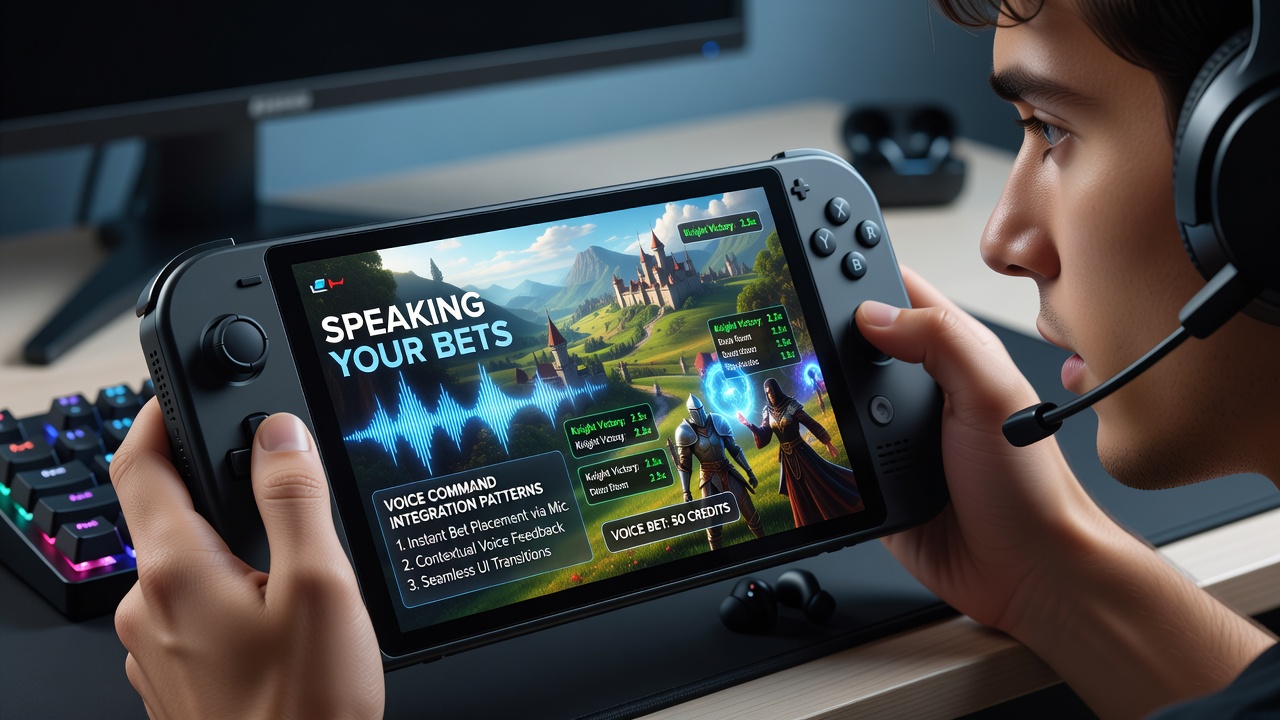
Voice command features have expanded steadily in portable gaming devices since developers began embedding microphone arrays directly into hardware designs around 2023, and patterns of integration now follow several distinct approaches that separate navigation commands from transaction commands. Manufacturers embed these systems into both dedicated handheld consoles and smartphones running specialized gaming applications, while data collected through July 2026 shows increasing use of natural language processing models that handle regional accents and slang without requiring users to memorize fixed phrases.
Distinct Integration Patterns Observed Across Devices
Developers typically follow one of three primary patterns when adding voice capabilities to portable interfaces. The first pattern separates voice input into a dedicated overlay that activates only after a physical button press or wake word, which keeps accidental triggers low during active gameplay sessions. The second pattern allows continuous listening with on-device processing that filters out non-gaming speech, and this approach appears more often in devices running dedicated gaming operating systems. The third pattern routes all voice data through secure cloud endpoints that combine speech recognition with real-time account verification, and observers note this pattern dominates applications where monetary transactions occur inside the session.
Each pattern carries measurable differences in latency and accuracy rates according to testing conducted by independent hardware labs. Continuous listening versions reduce response times by an average of 180 milliseconds compared with wake-word systems, yet they demand higher battery reserves because the microphone remains active. Cloud-routed systems achieve higher accuracy on complex betting instructions such as “place twenty-five on red at three-to-one odds” but require stable network connections that some portable users lack during travel.
Technical Implementation Details and Data Flows
Hardware engineers integrate digital signal processors that isolate voice frequencies between 85 and 255 hertz, the range covering most human speech fundamentals, and these chips operate alongside the main application processor to prevent gaming graphics from stuttering. Software layers then convert recognized speech into structured commands using intent-mapping tables that developers update quarterly. As of July 2026, several major chip suppliers have released updated firmware that improves handling of overlapping background noise from public transport environments where many portable gaming sessions occur.
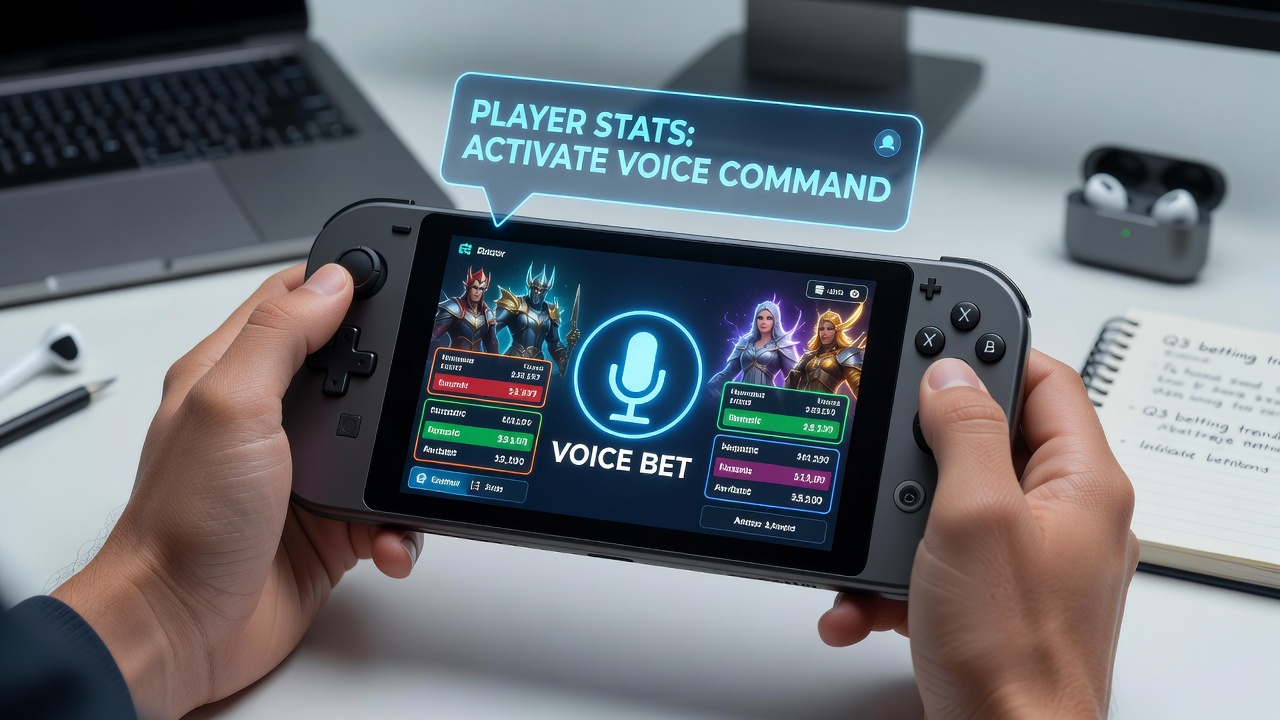
Security protocols require voice samples to pass through speaker verification modules that compare incoming audio against stored voiceprints created during initial account setup. This step prevents unauthorized users from placing commands on a device left unlocked. Research published by the National Council on Problem Gambling in early 2026 examined how these verification layers interact with responsible gaming tools, and findings indicated that voice-based confirmation steps added an average of 2.3 seconds per transaction without increasing user drop-off rates.
Adoption Metrics and Regional Variations
Market research firms tracking portable gaming hardware report that voice-enabled units accounted for 34 percent of total shipments in the second quarter of 2026, up from 21 percent the previous year. Adoption rates vary by region, with North American markets showing faster uptake in devices priced above $400 while European markets demonstrate higher usage within free-to-play applications that later convert users to paid features. Australian regulatory filings from the Australian Communications and Media Authority document similar growth curves among portable devices used for interactive gaming, and those filings note that voice commands appear most frequently during bonus round selections rather than initial stake placement.
Usage logs shared by several platform operators reveal that the most common voice commands involve menu navigation and balance checks, while direct bet placement commands represent approximately 28 percent of total voice traffic. Patterns also show higher voice usage among users aged 25 to 34 compared with older cohorts, although the gap narrows when devices offer visual confirmation screens that display the interpreted command before execution.
Challenges Addressed Through Iterative Updates
Early implementations struggled with command misrecognition during fast-paced sequences, and developers responded by introducing confirmation prompts that repeat the interpreted instruction. Battery impact remains a concern for continuous-listening models, yet newer chipsets reduce power draw by 17 percent through improved sleep-state management. Privacy considerations prompted several manufacturers to add on-device processing options that keep raw audio files from leaving the hardware, and users can toggle this setting through system menus introduced in firmware updates released during spring 2026.
Conclusion
Voice command integration in portable gaming interfaces continues to follow clear technical patterns that balance speed, accuracy, and security requirements. Data collected through July 2026 demonstrates measurable adoption growth across multiple regions and device categories, while ongoing firmware refinements address remaining latency and power consumption issues. These developments indicate that voice capabilities will likely become standard components rather than optional features in future portable gaming hardware releases.