Push Notifications: Key Tools for Casino Promotions and Sustaining Player Engagement
Written by Rafael Günther · Aug 8, 2026
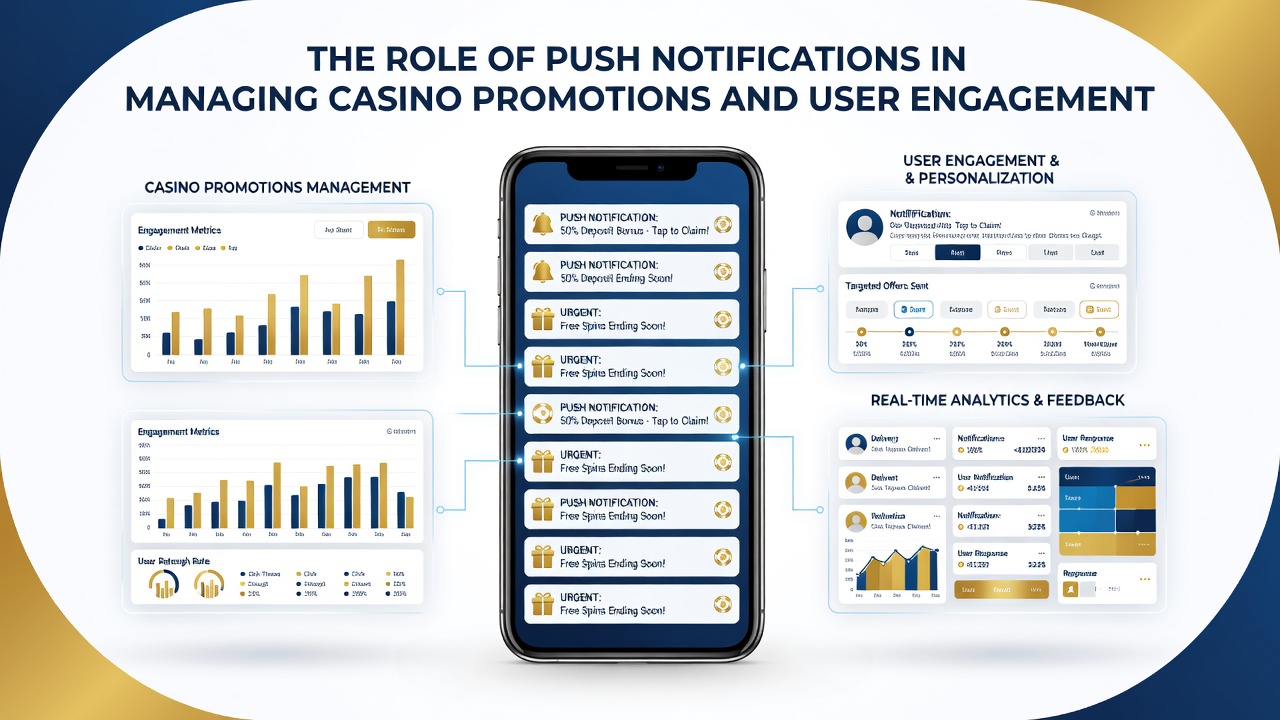
Push Notifications: Key Tools for Casino Promotions and Sustaining Player Engagement
Push notifications serve as direct communication channels that casino operators deploy to deliver time-sensitive promotions, bonus alerts, adn personalized offers straight to user devices, and this approach has gained traction across global markets as mobile usage continues to rise. In August 2026 operators in several jurisdictions reported measurable increases in session frequency after refining notification timing and content segmentation, according to industry tracking data.
Mechanics Behind Effective Notification Strategies
Operators segment user bases by playing habits, deposit patterns, and game preferences before crafting messages that align with individual behaviors, while regulatory frameworks in places such as Nevada and Ontario require clear opt-in mechanisms and easy unsubscribe options. Research from the iGaming Ontario compliance reports shows that segmented campaigns achieve higher open rates compared with generic blasts because recipients receive offers that match their activity profiles.
Timing plays a central role, since messages sent during peak leisure hours tend to generate more immediate opens, and A/B testing conducted by platform developers reveals that subject lines mentioning specific rewards outperform vague phrases. Data from the National Council on Problem Gambling indicates that responsible operators include responsible gaming reminders within promotional pushes to maintain compliance standards across North American and Australian markets.
Impact on Promotional Reach and Conversion Rates
Casino marketing teams use push notifications to announce limited-time deposit matches, free spin packages, and tournament entries, and these alerts often include deep links that route users directly to the relevant game lobby. One major operator in New Jersey documented a 28 percent lift in bonus redemptions during a three-month trial that combined push alerts with in-app tracking, according to figures shared at the 2026 Canadian Gaming Summit.
Geo-targeted notifications further refine reach by activating only when users enter designated zones near partnered venues or during regional events, and this tactic has been adopted by several U.S. tribal gaming operations to drive foot traffic alongside digital engagement. European operators, meanwhile, have integrated similar location-based triggers under guidelines from the Malta Gaming Authority, which emphasize transparency about data collection practices.
Measuring User Engagement Outcomes
Analytics platforms record metrics such as click-through rates, session duration, and repeat visit frequency following notification campaigns, while operators compare these figures against control groups that receive no alerts. Studies published by the University of Nevada Reno gaming research group demonstrate that well-calibrated push sequences can extend average session length by several minutes when paired with relevant in-game incentives.
Retention curves improve when notifications remind lapsed users of accumulated loyalty points or upcoming personalized events, and case examples from Canadian provincial operators show that re-engagement pushes reduce churn rates among players who have not logged in for 14 days or more. These patterns hold across both slots-focused and table-game-heavy portfolios.
Regulatory Considerations Across Jurisdictions
Authorities in multiple regions mandate that promotional content remain clearly distinguishable from gameplay elements, and operators must maintain records of consent for each user who receives marketing messages. The Australian Communications and Media Authority has issued updated guidance in 2026 requiring explicit frequency caps on commercial notifications to prevent user fatigue, while similar rules in New Jersey emphasize audit trails for all automated messages.
Operators that integrate spend-limit reminders into promotional sequences satisfy both regulatory expectations and player protection goals, and industry associations note that transparent communication about notification settings correlates with longer-term account activity. Cross-border operators adjust message cadences according to local rules to avoid penalties.
Future Developments in Notification Technology
Advances in machine learning enable more precise prediction of optimal send times for individual users, and several platform providers now offer real-time adjustment of notification content based on live game performance data. Integration with wearable devices is under exploration in select markets, allowing shorter alerts that appear on smartwatches without requiring phone interaction.
Testing continues on rich media notifications that embed short video clips or animated bonus previews, and early results from operators in the Asia-Pacific region suggest these formats can increase interaction when bandwidth permits. Continued refinement of these tools will depend on evolving data protection standards and device capabilities.
Conclusion
Push notifications function as a measurable component of casino promotional infrastructure, connecting operators with users through targeted, consent-based messaging that supports both marketing objectives and regulatory compliance. Data from multiple jurisdictions shows consistent patterns of increased session starts and bonus participation when campaigns incorporate segmentation, timing optimization, and responsible gaming elements. As technology and oversight frameworks develop in parallel, operators continue to refine delivery methods to sustain engagement while respecting user preferences and legal requirements across diverse markets.