Push Notification Timing and Personalization Drive Longer Play Sessions in Mobile Slots and Roulette
Written by Erik Krause · Jun 11, 2026
Push Notification Timing and Personalization Drive Longer Play Sessions in Mobile Slots and Roulette
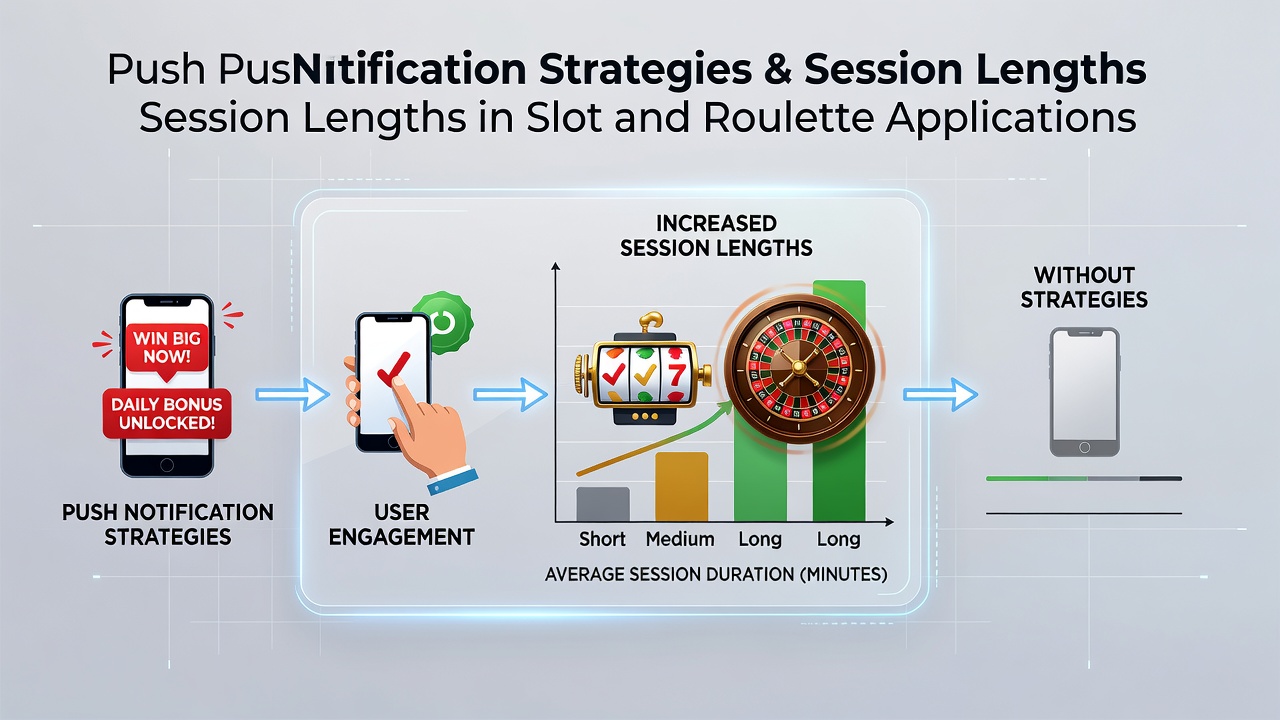
Push notifications have become a core engagement tool across mobile gaming platforms, and operators track their effects on session duration with increasing precision. In slot and roulette applications specifically, these alerts function as timed prompts that re-engage users who have stepped away from active play. Data collected through app analytics platforms shows measurable differences in average session length when notification strategies vary in frequency, content, and delivery window.
Core Notification Categories Used by Slot and Roulette Developers
Developers typically deploy three main categories of push alerts. The first category includes session reminders that activate after a user has been inactive for a set period, often thirty minutes to two hours. The second category consists of reward-based messages that highlight available free spins, deposit matches, or loyalty points. The third category features personalized game suggestions drawn from individual play history, such as alerts about new roulette variants or slot titles with mechanics similar to previously played games.
Research conducted by the University of Nevada Reno's gaming analytics lab indicates that reward-based notifications produce the largest lift in return rates during evening hours, while personalized suggestions extend session length more effectively when sent mid-afternoon. Timing data gathered across multiple European and North American operators reveals that notifications delivered between 7 p.m. and 10 p.m. local time correlate with session extensions averaging 12 to 18 minutes longer than baseline figures.
Measured Effects on Session Duration
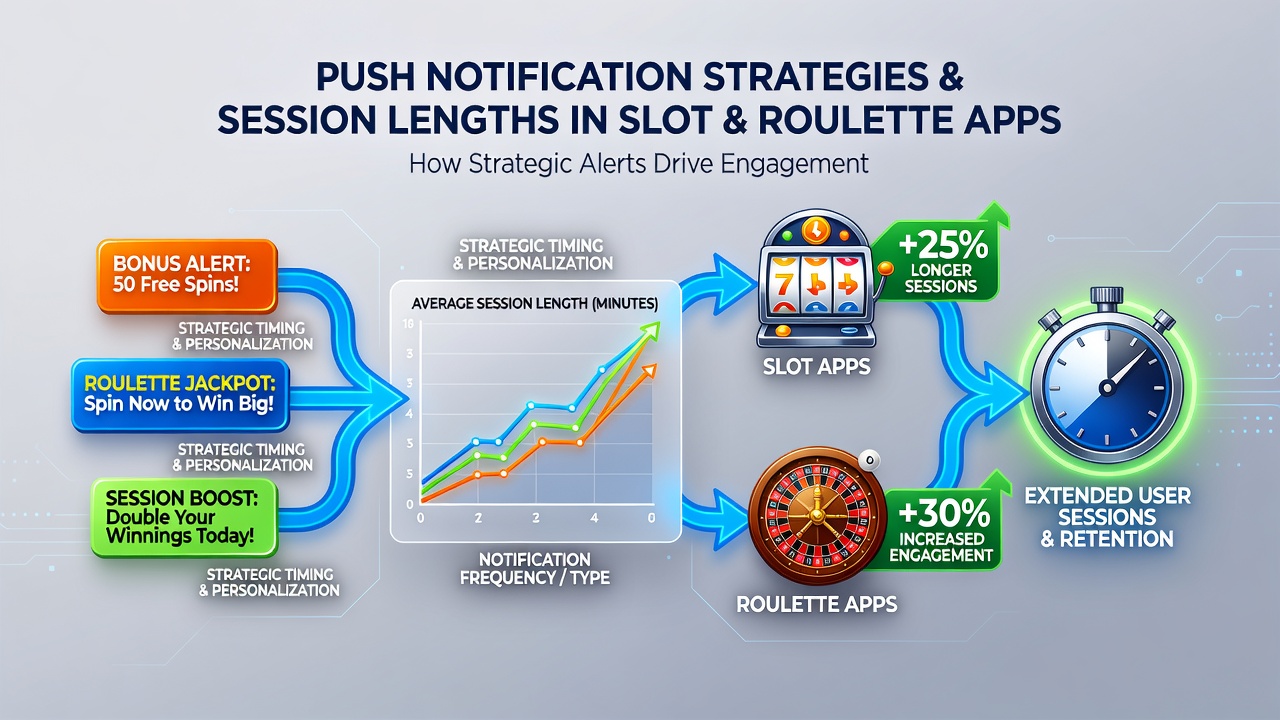
Session length tracking relies on timestamp logs that record the interval between app launch and app closure. When operators introduce a structured notification schedule, these logs show shifts in both frequency of returns and total minutes spent per session. A 2025 industry report compiled by the European Gaming and Betting Association documented a 23 percent increase in median session length for roulette applications that used geo-timed bonus alerts compared with control groups that received no notifications.
Slot applications display similar patterns yet differ in response magnitude. Observers note that volatility-focused titles, where players chase larger but less frequent wins, respond more strongly to alerts that reference recent near-miss events or accumulated bonus meters. In contrast, low-volatility slot sessions extend primarily through reminders that reference daily login streaks rather than in-game events.
Frequency Thresholds and User Retention Patterns
Operators monitor opt-out rates closely because excessive alerts trigger users to disable notifications entirely. Figures from Canadian provincial gaming regulators show that applications sending more than four promotional messages per day experience a 31 percent rise in notification deactivation within the first week. Conversely, applications that cap alerts at two per day while varying content between rewards and gameplay suggestions maintain higher retention of enabled notifications through the first month of use.
Those who have examined retention curves across multiple titles report that the first notification after a session ends exerts the strongest influence on whether a user returns within the same calendar day. Subsequent alerts produce diminishing returns unless they introduce genuinely new information, such as a limited-time tournament entry or a personalized milestone reward.
Personalization Techniques and Behavioral Response
Machine learning models now segment users according to historical session patterns before crafting message content. Segments include short-burst players who favor quick roulette rounds and longer-session slot enthusiasts who prefer progressive features. When messages align with these established preferences, session extension occurs more reliably. One operator study released in early 2026 found that alignment between user segment and message theme produced an average 14-minute increase in session length across both game types.
June 2026 brought additional refinements as several platforms integrated real-time location data with notification triggers. Users near physical venues received alerts about digital equivalents of table games, while remote users received content focused on mobile-exclusive features. Early logs indicate these location-aware campaigns further increased session duration by directing players toward games already familiar from prior visits.
Conclusion
Push notification strategies in slot and roulette applications operate through carefully calibrated timing, content variation, and segmentation. Analytics platforms record consistent correlations between specific notification approaches and extended session lengths, with reward timing and personalization emerging as the most influential variables. Continued refinement of these systems depends on balancing engagement gains against user tolerance for message volume, a balance operators track through ongoing deactivation and retention metrics.