Notification Tactics Drive Retention in Mobile Slot and Table Game Applications
Written by Iris Albrecht · Jul 30, 2026
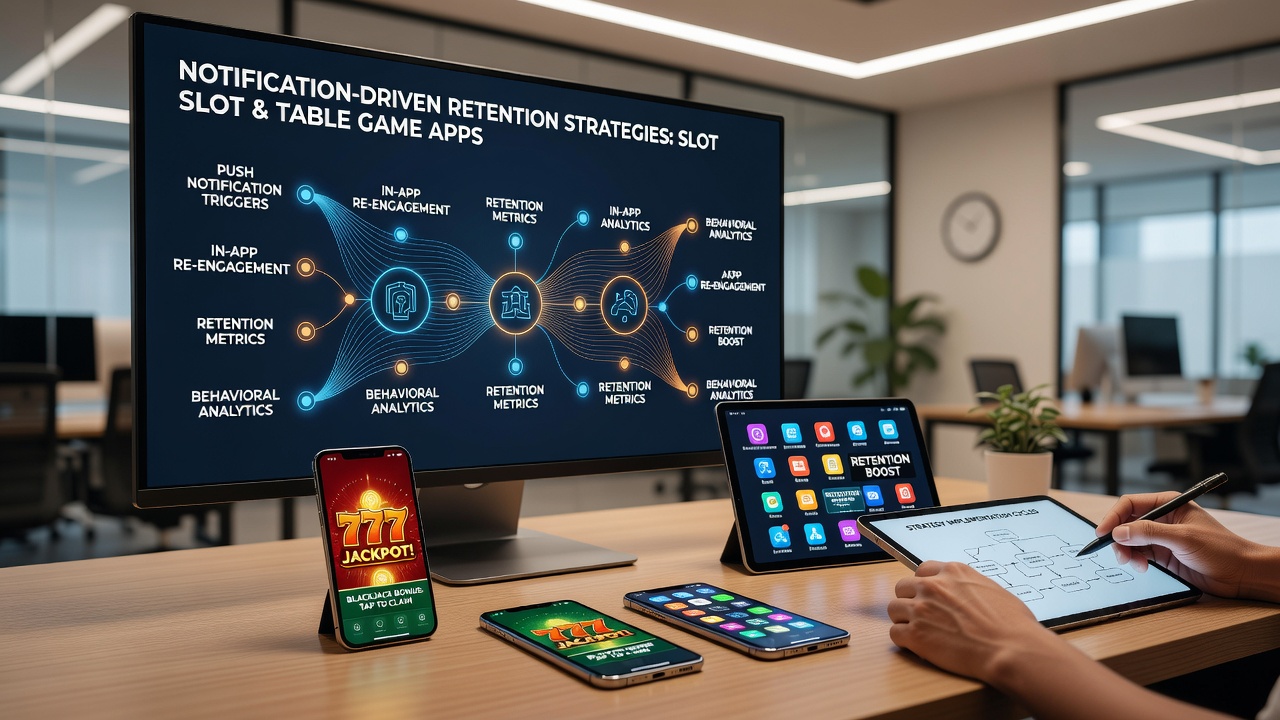
Notification Tactics Drive Retention in Mobile Slot and Table Game Applications
Slot and table game applications on mobile platforms rely heavily on push notifications to maintain user engagement after initial downloads, with developers deploying timed messages that highlight bonuses, daily rewards, and session reminders. Data from industry reports indicates these strategies target both Android and iOS users through segmented lists based on play frequency and preferred game types, allowing operators to adjust delivery windows according to time zones and historical activity peaks.
Core Components of Notification Systems in Gaming Apps
Developers structure notification campaigns around several key elements that include welcome sequences for new installs, reactivation prompts for dormant accounts, and real-time alerts during live events such as tournament starts or limited-time promotions, while analytics platforms track open rates and conversion metrics to refine future sends. Research conducted by the American Gaming Association shows that apps integrating player-specific data achieve higher interaction levels compared to generic broadcasts, as users receive content tied directly to their recent spins or table sessions.
Timing plays a central role because messages sent during evening hours tend to generate stronger responses on weekdays, whereas weekend patterns shift toward afternoon deliveries, and machine learning models continuously adjust these schedules based on aggregate user behavior across large datasets. Observers note that both operating systems impose limits on notification frequency and content to prevent overload, which forces developers to prioritize high-value triggers like jackpot updates or exclusive table invitations over repeated generic offers.
Differences Between Android and iOS Notification Handling
Android environments permit greater customization in notification channels and priority levels, enabling slot and table game apps to categorize alerts into groups such as promotional offers versus game updates, while iOS enforces stricter user controls through focus modes and grouped deliveries that can suppress visibility unless explicitly allowed. Figures from mobile analytics firms reveal that Android users often see elevated open rates for time-sensitive messages because of flexible badge and sound options, whereas iOS campaigns emphasize concise text and rich media previews to maintain impact within tighter display constraints.
App store policies updated in early 2026 further influence these approaches, with both platforms requiring explicit consent mechanisms and easy opt-out paths that developers must integrate without disrupting core retention flows. Those who study retention patterns across regions report that European operators adapt notification content to comply with regional data rules, while North American and Australian markets experiment with location-triggered messages that reference nearby events or venue tie-ins.
Personalization Techniques and Performance Metrics
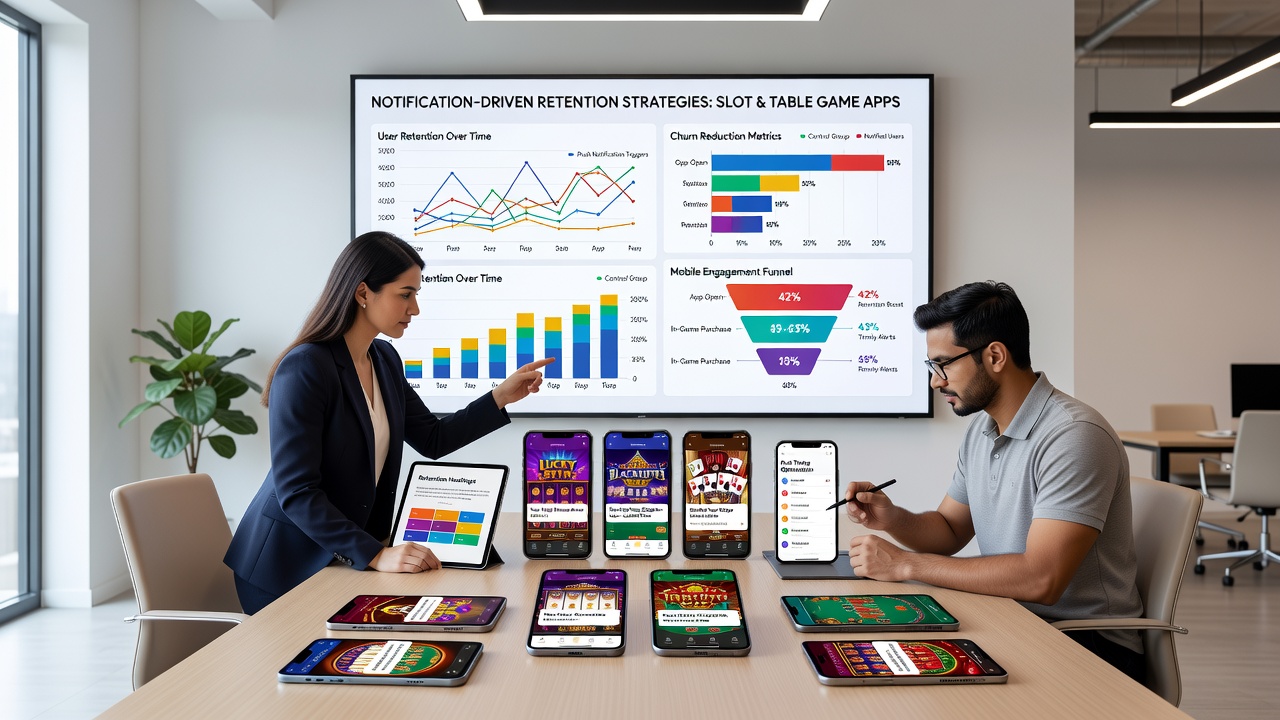
Personalization extends beyond basic demographics to incorporate gameplay data such as average session length, favored volatility levels in slots, and preferred table stakes, allowing systems to craft messages that reference specific achievements or suggest complementary games. According to findings published by the University of Las Vegas gaming research center, apps that combine behavioral segmentation with A/B testing see measurable lifts in return visits within 48 hours of notification receipt, particularly when messages include progress indicators toward loyalty rewards.
Performance tracking relies on metrics including click-through percentages, subsequent deposit activity, and session duration extensions, with operators cross-referencing these against control groups that receive fewer or no alerts. In July 2026 several major app publishers reported adjustments to their campaigns following operating system updates that altered background refresh permissions, prompting a shift toward more in-app triggered notifications that activate only after user-initiated sessions begin.
Regulatory and Technical Considerations
Regulatory bodies in multiple jurisdictions require clear disclosure of notification purposes and data usage, which leads developers to maintain detailed privacy policies and consent logs that users can review at any time. Industry associations such as the Interactive Games and Entertainment Association in Australia have published guidelines encouraging transparent practices that balance retention goals with player protection standards, resulting in features like cooldown periods between certain message types.
Technical implementation involves integration with cloud-based messaging services that support both platforms through unified APIs, although separate testing remains necessary to address differences in delivery reliability and user interface rendering. Data indicates that hybrid approaches combining push notifications with in-app messaging and email sequences produce the most consistent retention outcomes across diverse user segments.
Conclusion
Notification-driven retention in slot and table game apps continues to evolve through refined personalization, platform-specific adaptations, and adherence to regulatory frameworks that shape how developers communicate with users on Android and iOS. Ongoing analysis of engagement data helps refine these strategies while respecting user preferences and operating system constraints that define the current mobile gaming environment.