Inside the Code: Examining RNG Compliance Across Leading Mobile Gaming Platforms
Written by Rafael Günther · Aug 25, 2026
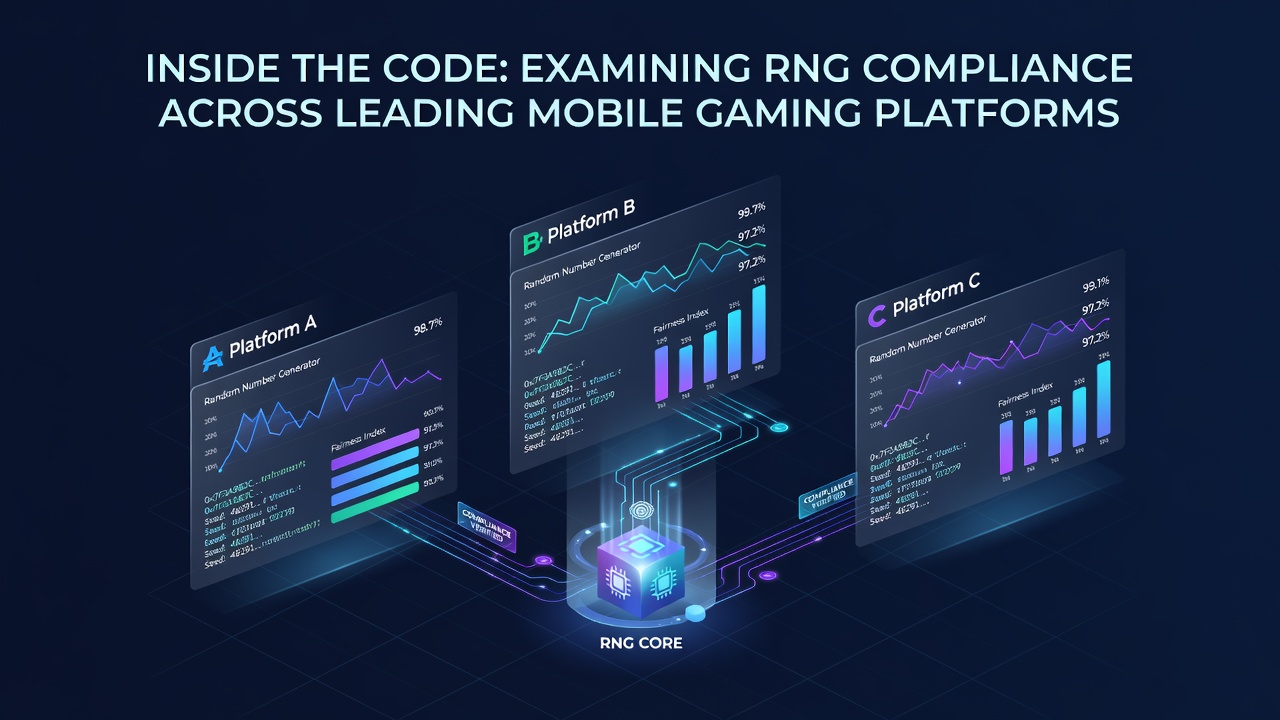
Inside the Code: Examining RNG Compliance Across Leading Mobile Gaming Platforms
Understanding RNG Foundations in Mobile Gaming
Random Number Generators form the core mechanism that determines outcomes in digital slot machines, table games, and other chance-based features across mobile platforms, and regulators in multiple jurisdictions require operators to submit their systems for independent laboratory verification before launch. Gaming Laboratories International and similar testing bodies apply statistical suites that include diehard tests along with chi-square analyses to confirm that sequences show no detectable patterns over millions of simulated spins. Mobile developers integrate certified RNG libraries into both native iOS and Android builds, yet the same code base often undergoes separate platform-specific audits because Apple and Google maintain distinct security sandboxes that affect how random seeds initialize during gameplay sessions.
Regulatory Frameworks Across Regions
Nevada Gaming Control Board standards demand that RNG outputs achieve a minimum 95 percent confidence interval across at least 10 million cycles, while Australian authorities under the Northern Territory Racing Commission apply comparable benchmarks that also cover server-side seeding procedures used by cloud-hosted game engines. Data from a 2025 industry report prepared by the European Casino Association indicates that mobile titles undergo an average of three full re-certification cycles per year when operators introduce new bonus mechanics or update graphics engines. Those who've examined certification logs note that failures typically stem from improper implementation of cryptographic hash functions rather than flaws in the underlying mathematical algorithms themselves.
One testing laboratory documented a case where an Android build generated repeating sequences after an operating system update altered the default entropy source, prompting the developer to switch to a hardware-backed random generator available through the Android Keystore system. Similar adjustments appear in iOS titles that leverage the Secure Enclave for seed generation, and researchers at a Canadian academic institution published findings in August 2026 showing that devices equipped with these hardware features produce sequences passing extended NIST SP 800-22 test batteries at higher rates than software-only implementations.
Testing Methodologies and Mobile Specific Challenges
Laboratories employ both static code reviews and dynamic runtime monitoring to verify that mobile applications call certified RNG functions rather than custom routines that might introduce bias. Network latency introduces another variable because many live-dealer and multiplayer titles fetch server-generated random values, requiring synchronization protocols that preserve randomness integrity across variable connection speeds. Observers note that packet-loss scenarios can force fallback mechanisms, and regulators now require documented failover procedures that maintain compliance even when players switch between Wi-Fi and cellular data mid-session.
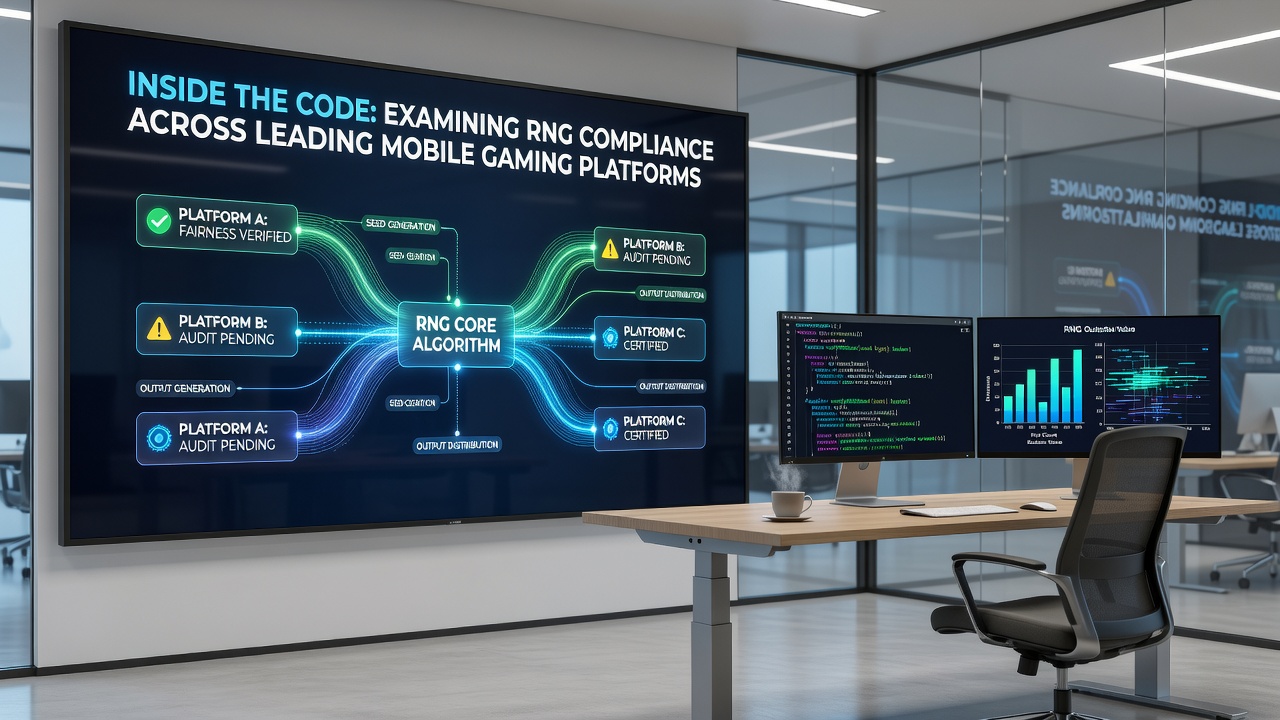
Platform fragmentation adds further complexity because older Android versions retain legacy random number APIs that newer titles must avoid, while iOS releases sometimes deprecate certain cryptographic functions between major operating system updates. Compliance teams therefore maintain parallel code branches and submit each variant for separate evaluation, a process that can extend certification timelines by several weeks according to figures released by the International Association of Gaming Regulators.
Industry Practices and Recent Developments
Leading operators publish compliance certificates on their websites, and players can often locate seals from approved testing houses directly within game information screens. In August 2026 several major platforms rolled out enhanced transparency dashboards that display the most recent audit dates alongside RTP percentages, allowing users to cross-reference claims against publicly available laboratory summaries. Industry organizations such as the Remote Gaming Association have begun publishing aggregated compliance statistics that track pass rates across different game categories, revealing that table-game RNG modules consistently achieve higher initial approval rates than slot titles that incorporate complex bonus trigger logic.
Take one developer who integrated a third-party RNG SDK across multiple white-label casino apps and discovered that the SDK required an additional wrapper layer to satisfy Australian server-seeding rules, even though the same library already carried Nevada certification. The adjustment involved moving seed generation to a dedicated microservice that logs every call with timestamp and player identifier, satisfying audit trails demanded by multiple jurisdictions simultaneously. Such layered approaches have become standard because operators frequently launch the same title across several regulated markets at once.
Conclusion
Continued growth in mobile gaming has prompted regulators and laboratories to refine testing protocols that address both traditional statistical requirements and the unique constraints of smartphone hardware and operating systems. Certification remains an ongoing obligation rather than a one-time event, and operators that maintain transparent reporting practices provide regulators and players with verifiable evidence that outcomes remain fair and unpredictable across devices and regions.