Biometric Security Protocols Transforming Access to Live Dealer Games in Mobile Casino Platforms
Written by Casey Wolf · Aug 20, 2026
Biometric Security Protocols Transforming Access to Live Dealer Games in Mobile Casino Platforms
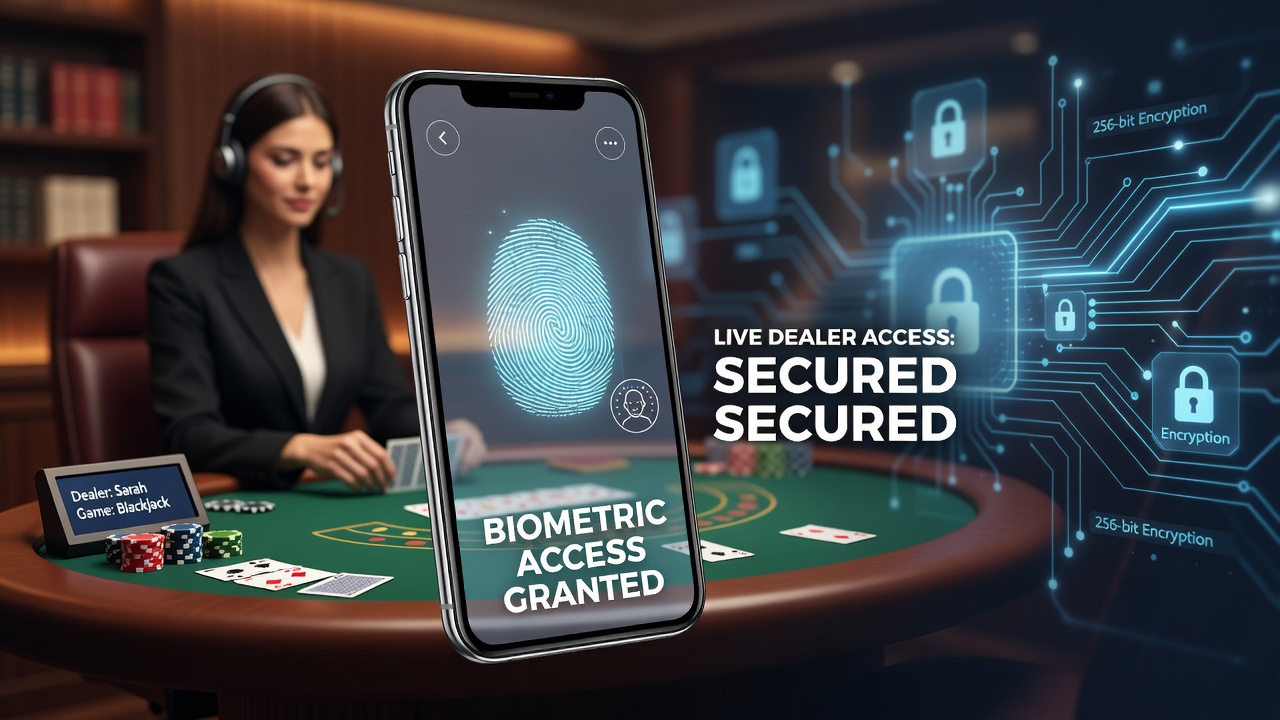
Biometric security protocols have become central to how mobile casino platforms manage entry to live dealer games, where players interact with real-time dealers through video streams on smartphones and tablets. These systems rely on unique physical traits such as fingerprints, facial features, and voice patterns to verify user identity before granting access to tables for blackjack, roulette, and baccarat. Data from industry reports indicate that adoption rates for such protocols rose sharply after regulatory updates took effect in several jurisdictions during 2025, with further refinements appearing in August 2026 as platforms updated their mobile applications to meet stricter authentication standards.
Operators integrate these protocols directly into app interfaces so that a player can complete verification in seconds without entering passwords or codes each time. Fingerprint scanners on modern devices handle the bulk of initial logins, while facial recognition steps in for higher-stakes live sessions where additional confirmation is required. Voice biometrics serve as a secondary layer during dealer interactions, analyzing speech patterns to confirm the account holder remains present throughout extended play periods. Research from the National Institute of Standards and Technology shows that multimodal biometric systems combining two or more traits reduce false acceptance rates to below 0.1 percent in controlled tests, a figure that has influenced casino platform design choices across North America and Europe.
Integration with Mobile Device Hardware and Software
Modern smartphones contain dedicated secure enclaves that store biometric templates locally rather than transmitting raw data to servers, which limits exposure during live dealer sessions. Developers embed application programming interfaces from device manufacturers so that fingerprint and facial scans trigger instantly when a user selects a live dealer table. In August 2026 several platforms rolled out updates that paired these hardware features with behavioral analytics, monitoring swipe patterns and session duration to flag anomalies even after initial authentication succeeds. Such layered approaches help maintain continuous verification while players shift between different games without repeated prompts.
Platform providers coordinate with operating system vendors to ensure compatibility across iOS and Android ecosystems, since live dealer streams demand low-latency connections that could otherwise expose security gaps. Studies conducted by academic teams at institutions in Australia have examined how these integrations perform under variable network conditions, finding that biometric checks complete reliably even when signal strength fluctuates during outdoor play. The result is smoother entry to tables without compromising the security requirements imposed by licensing authorities in multiple regions.
Regulatory Drivers and Compliance Requirements
Government agencies outside the United Kingdom have issued guidance that encourages or mandates biometric elements for remote gambling applications. Canadian provincial regulators, for example, have referenced biometric standards when reviewing operator licenses, while Australian state commissions have tied similar requirements to responsible gambling frameworks. These rules emerged partly because traditional password systems proved vulnerable to credential sharing and automated attacks, prompting a shift toward physiological verification that ties access to the individual rather than shared credentials.
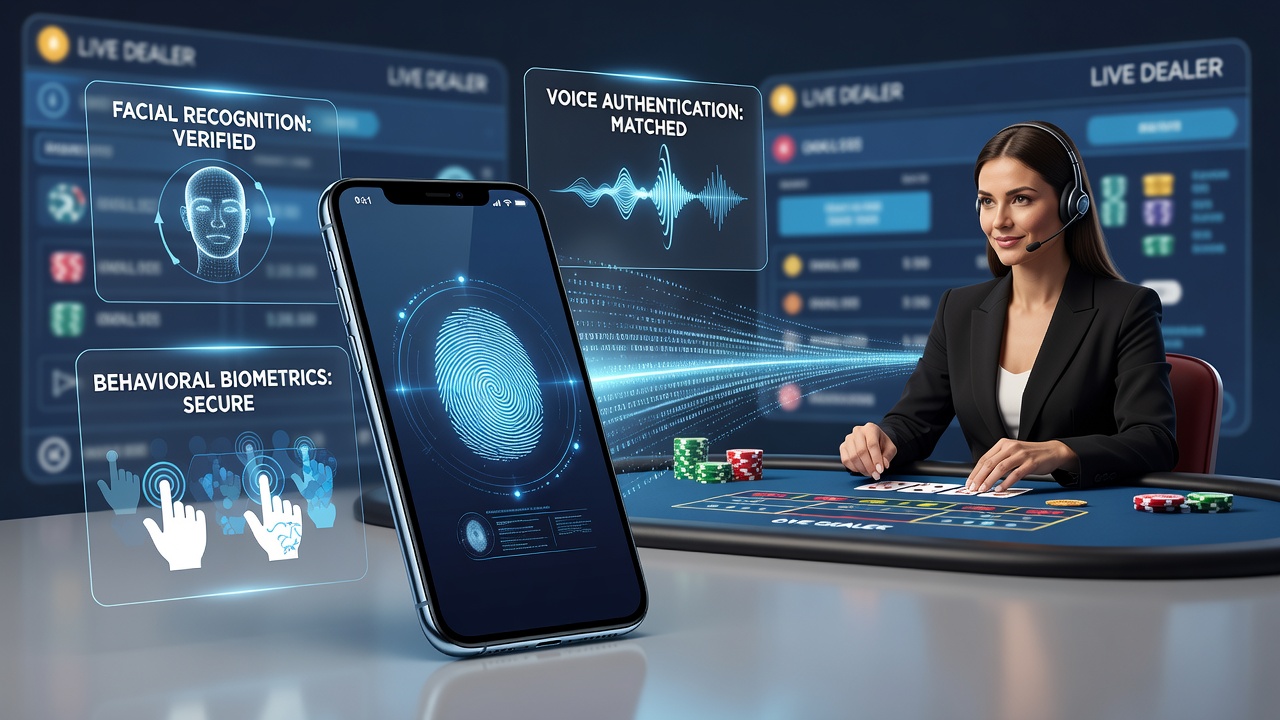
Compliance audits now routinely test how biometric data is encrypted both at rest and in transit, with particular attention to live dealer environments where video feeds and chat functions operate simultaneously. Platforms must demonstrate that templates cannot be reverse-engineered to reveal actual biometric images, a standard that aligns with broader data protection legislation in the European Union. Observers note that operators who adopted these measures early reported fewer account takeover incidents compared with those relying solely on one-time passcodes.
Technical Challenges and Ongoing Developments
Despite clear advantages, biometric systems face hurdles related to accuracy across diverse user populations and device conditions. Lighting variations can affect facial recognition during evening play sessions, while skin conditions or injuries may temporarily impair fingerprint readings. Developers address these issues by incorporating fallback mechanisms that still maintain security, such as requiring a secondary voice sample or prompting for a device-bound cryptographic key. Research published by teams at the University of Waterloo in Canada highlights ongoing work to improve algorithm robustness against spoofing attempts using photographs or recordings, with results indicating measurable gains in liveness detection capabilities by mid-2026.
Energy consumption remains another consideration, since frequent biometric scans can drain battery reserves during long live dealer sessions. Engineers have optimized scan intervals and processing loads so that the impact stays minimal while preserving verification frequency. These refinements allow platforms to sustain extended gameplay without forcing users to choose between security and device longevity.
Conclusion
Biometric security protocols continue to shape how mobile casino platforms control access to live dealer games by combining device hardware, software frameworks, and regulatory expectations into unified verification flows. As updates rolled out in August 2026 demonstrate, the emphasis remains on maintaining low error rates and protecting user data while supporting real-time interactions. Further evolution will likely depend on advances in sensor technology and cross-jurisdictional standards that keep pace with emerging threats.