Behavioral Analytics Directing Selections in Mobile Casino Environments
Written by Rafael Günther · Jun 4, 2026
Behavioral Analytics Directing Selections in Mobile Casino Environments
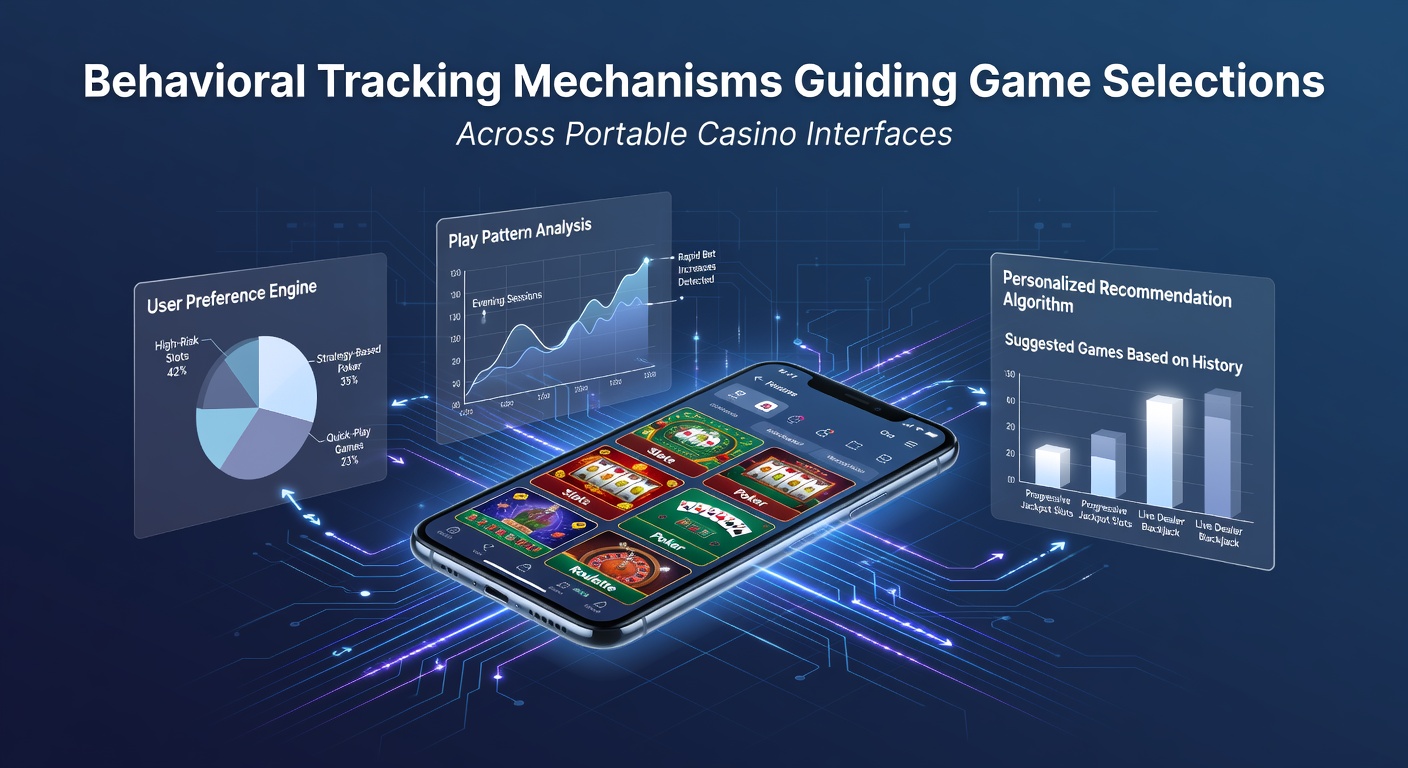
Behavioral tracking mechanisms collect extensive data on user interactions within portable casino interfaces, and these systems analyze patterns in session duration, game preferences, and navigation habits to shape subsequent game suggestions. Data points accumulate from every tap, swipe, and pause, creating detailed profiles that algorithms process in real time. Operators deploy these tools across Android and iOS platforms to refine content delivery, while players encounter interfaces that adjust dynamically based on accumulated signals.
Data Collection Layers in Portable Platforms
Multiple sensors and software components feed information into central repositories, and device accelerometers record movement alongside screen touch frequency. Session timestamps combine with bet size variations to build timelines of activity, whereas location signals from GPS modules add contextual layers when users permit access. Researchers at institutions such as the University of Nevada, Las Vegas have documented how these inputs merge into unified datasets that support predictive modeling. As of June 2026, integration with cloud-based storage solutions has accelerated processing speeds, allowing recommendations to appear within seconds of a completed spin or hand.
Algorithmic Guidance of Game Choices
Machine learning models sift through historical interactions to forecast which titles will retain attention longest, and collaborative filtering techniques compare one user's history against aggregated profiles from similar players. When a participant spends extended time on high-volatility slots, the system elevates similar titles in the lobby layout, while shorter sessions on table games trigger suggestions for faster-paced alternatives. A report from the American Gaming Association outlines how such personalization increases engagement metrics without altering underlying game mathematics. Observers note that interface elements such as prominent placement and animated thumbnails further steer attention toward algorithmically favored options.
Cross-Device Synchronization and Persistent Profiles
Accounts linked across phones, tablets, and desktops maintain continuous tracking histories, and login events trigger synchronization that restores prior preferences instantly. Developers implement secure token exchanges to preserve continuity even when operating systems update or devices change. Those who study digital gambling ecosystems indicate that this persistence reduces onboarding friction yet raises questions about data portability standards enforced by regulators outside the United Kingdom. Australian authorities, for instance, have issued guidelines requiring clear consent mechanisms for cross-border data flows in licensed operations.

Regulatory Frameworks Across Jurisdictions
Canadian provincial bodies such as the Alcohol and Gaming Commission of Ontario mandate transparency reports detailing how behavioral data informs marketing, and similar requirements appear in several European markets. Malta's gaming authority requires operators to separate tracking functions from core gameplay code, thereby limiting direct manipulation of randomness. These rules coexist with technical standards that demand encryption of stored profiles and regular audits of recommendation engines. Figures from industry audits reveal that compliance investments have risen steadily through mid-2026 as more jurisdictions adopt digital-first licensing models.
Technical Components Powering Real-Time Adjustments
Event listeners embedded in game clients transmit structured logs to backend servers, and edge computing nodes process initial filters before full datasets reach central clusters. Heatmap visualizations generated from aggregated clicks highlight popular screen regions, guiding developers to reposition navigation menus or bonus indicators. Software development kits supplied by analytics providers integrate seamlessly with existing casino engines, while API endpoints allow operators to test new recommendation rules without full redeployment. Studies published through the National Council on Problem Gambling have examined correlations between these adjustments and changes in play frequency across large user cohorts.
Future Trajectories in Interface Personalization
Developments in federated learning promise to refine models locally on devices before sharing only aggregated updates, and this approach reduces latency while addressing some privacy concerns. Voice command integration and augmented overlays represent emerging frontiers where behavioral signals could extend beyond taps to include spoken preferences or gaze direction. Trade associations including the Canadian Gaming Association continue to publish technical briefs that track adoption rates of these innovations across licensed mobile offerings. Data compiled through June 2026 shows gradual rollout concentrated among larger operators with established infrastructure.
Conclusion
Behavioral tracking mechanisms operate as integral components of portable casino interfaces, channeling player data into structured recommendations that influence game selections at scale. Technical architectures combine sensor inputs, algorithmic processing, and regulatory compliance layers to sustain these functions across diverse markets. Continued evolution in both hardware capabilities and oversight frameworks will determine how these systems develop in subsequent years.