Adaptive Haptic Feedback Redefines Engagement in Online Casino Simulations
Written by Rafael Günther · May 28, 2026
Adaptive Haptic Feedback Redefines Engagement in Online Casino Simulations
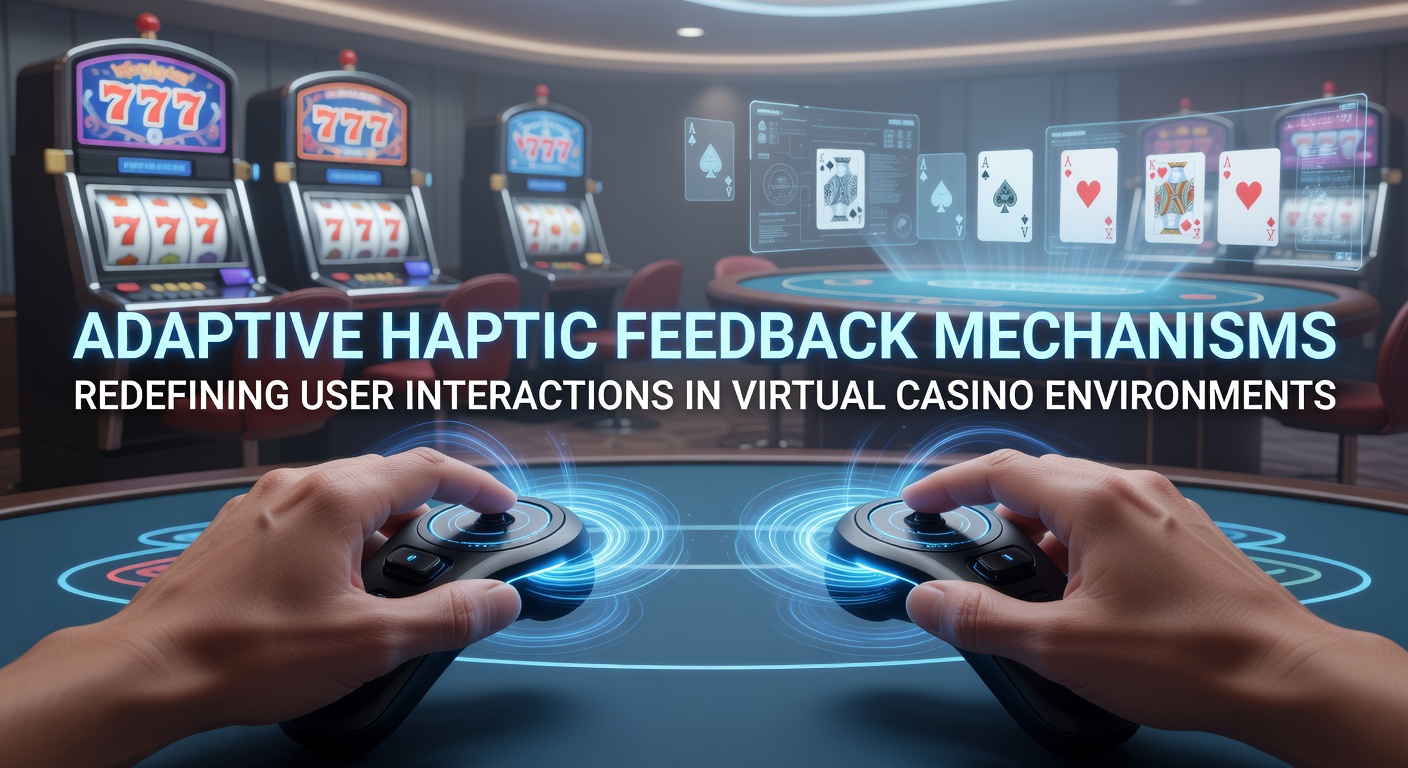
Adaptive haptic feedback mechanisms have begun integrating into virtual casino platforms where device vibrations and force responses adjust dynamically based on game events such as reel spins, card shuffles and payout triggers. Developers incorporate sensors that detect user touch patterns while software algorithms modify intensity levels in real time according to in-game variables like bet size or volatility settings. This technology extends beyond basic phone vibrations to include layered responses that simulate physical sensations through controllers, wearable vests and advanced touchscreens.
Core Components Driving Haptic Integration
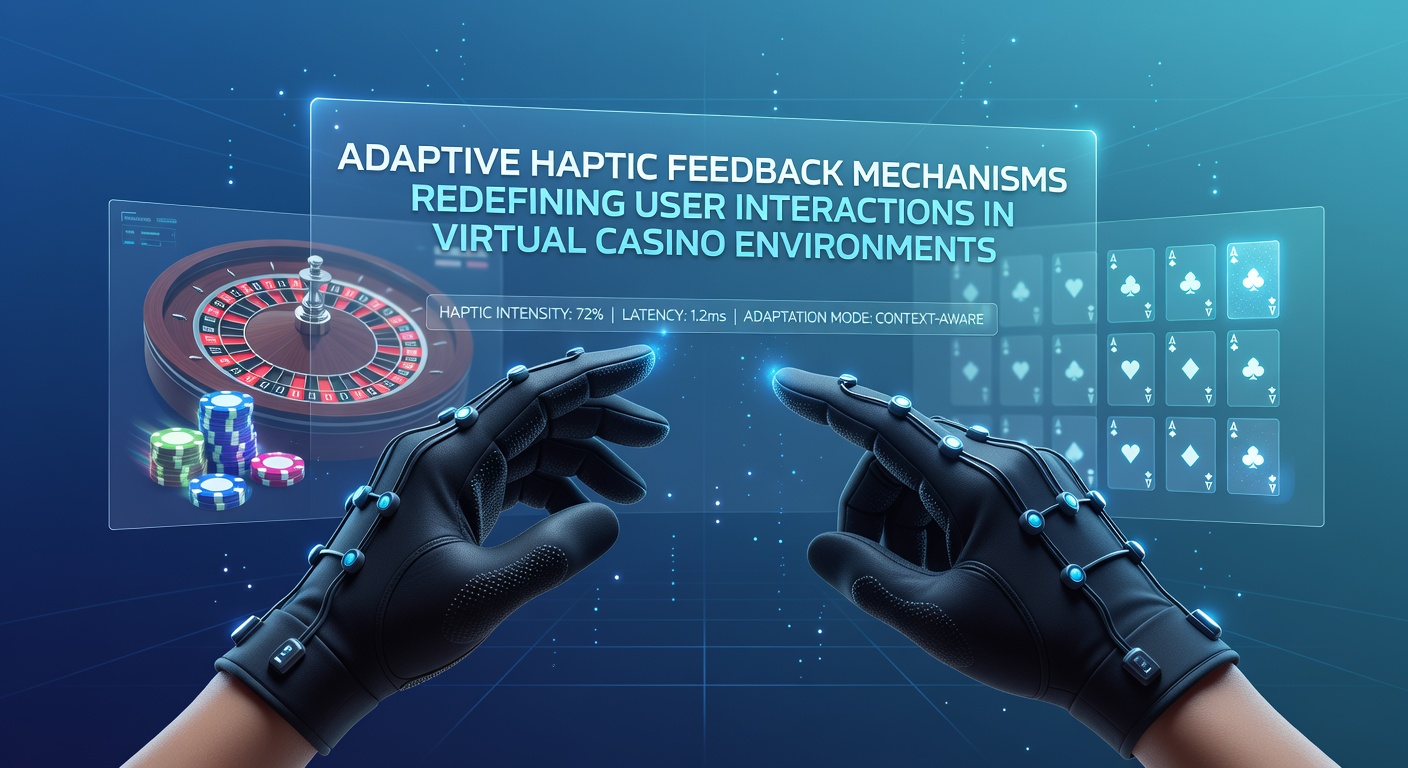
Hardware manufacturers supply actuators capable of delivering precise micro-movements alongside macro pulses, and these components connect with game engines that process data streams from casino software providers. Research from the International Gaming Institute at the University of Nevada indicates that systems using multi-frequency actuators produce response times under 50 milliseconds, which aligns with player reaction windows during live dealer sessions. Software layers map game states to haptic profiles, so a blackjack dealer hit generates a distinct tap pattern compared to a roulette wheel deceleration, while slot bonus rounds trigger escalating pulses that build toward reveal moments.
Developers test these profiles across platforms including iOS and Android devices plus dedicated VR headsets, and calibration routines account for individual user sensitivity settings stored in player accounts. Data collected during beta phases shows consistent patterns where players maintain longer session durations when haptic cues match visual and audio elements without overwhelming the primary interface.
Application Across Game Categories
Slot titles utilize progressive haptic sequences that intensify during near-miss animations and peak at win evaluations, whereas table games employ subtler cues such as card edge textures rendered through controller grips. Live dealer environments synchronize haptic signals with streamed video feeds, allowing remote players to sense chip placements or wheel spins through connected peripherals. Observers note that roulette implementations often include directional feedback that mimics ball trajectory across numbered pockets, creating spatial awareness even on standard mobile screens.
Blackjack variants incorporate dealer-specific patterns where soft card deliveries feel lighter than hard hits, and split decisions generate dual-pulse confirmations. One study conducted by researchers at the Australian Centre for Gambling Research tracked interaction logs from 2,400 participants over eight weeks in early 2026 and found measurable increases in decision speed during haptic-enabled rounds compared to standard visual-only modes.
Technical Standards Emerging in May 2026
Industry groups released updated haptic API specifications during May 2026 that standardize communication between casino platforms and third-party hardware vendors. These guidelines specify minimum resolution for force feedback curves and require compatibility testing across at least five device categories before certification. Regulatory bodies in Nevada and several Canadian provinces incorporated these standards into licensing reviews, requiring operators to document haptic profile accuracy during compliance audits.
Engineers working with major platform providers have begun embedding machine learning models that refine haptic output based on aggregated player behavior data while maintaining privacy controls. teh models adjust baseline intensity for users who prefer lighter feedback and amplify cues during high-stakes segments without altering core game mathematics or return-to-player percentages.
Player Interaction Metrics and Accessibility Features
Analytics dashboards now track haptic engagement alongside traditional metrics such as spin count and bonus trigger frequency. Figures from a European gaming technology consortium report reveal that platforms offering customizable haptic profiles experience lower abandonment rates during tutorial sequences. Accessibility options allow players to disable specific feedback channels or reduce overall intensity, ensuring compliance with inclusive design requirements across multiple jurisdictions.
Training modules for support staff include walkthroughs of common haptic troubleshooting steps, and operators publish device compatibility lists that update monthly. Those who've examined early adoption data observe that wearable haptic vests see higher uptake among VR users while phone-based actuators remain the default for casual mobile sessions.
Future Hardware Pathways
Prototype tablets with embedded full-surface actuators have entered limited trials, and these units deliver localized feedback under individual fingers during multi-touch betting interfaces. Partnerships between semiconductor firms and casino software studios focus on reducing power draw so extended sessions do not accelerate battery depletion on portable devices. Continued refinement of actuator materials promises thinner form factors that integrate directly into phone chassis without adding bulk.
Conclusion
Adaptive haptic feedback continues to expand within virtual casino environments through coordinated advances in hardware, software standards and regulatory frameworks. Systems deployed as of May 2026 demonstrate measurable alignment between tactile cues and established game mechanics across slot, table and live dealer categories. Ongoing data collection from operators and academic partners supports iterative improvements that maintain focus on player interaction patterns without modifying underlying game outcomes.